| IEnhance Effective Communication Among Healthcare Personnel | - Establish release and transmission mechanisms for patient safety-related information
- Establish team leadership and communication mechanisms for effective information transmission and team cooperation
| - Establish standard operating procedures for healthcare personnel handovers and execute the handover operations in accordance with the regulations
- Transfer patients according to patient transfer safety operating standards to ensure the safety of patient transfers
- Laboratory/examination units establish abnormal/critical value reporting procedures
- Establish "Emergency Unit Equipment Alert Handling Standards" with alert values and handling mechanisms
|
| IIImplement Patient Safety Incident Management | - Create institutional patient safety culture and environment, encourage employees to actively raise patient safety concerns and suggestions
- Establish friendly supportive practice environment, implement medical violence risk management prevention, hence protecting medical facility personnel from violence
- Strengthen patient safety concept advocacy for all hospital employees (including outsourced personnel), encourage personnel to report patient safety incidents, and apply human factors engineering concepts for improvement
| - Periodically hold patient safety-related courses
- Conduct patient safety culture surveys regularly annually
- Hold Patient Safety Committee meetings quarterly to analyze and track case improvement effectiveness
- Hold "Patient Safety Case Sharing and Learning" courses annually
- Hold medical team emergency drills at least once annually
- Conduct hospital-wide random audits of critical patient emergency response operations quarterly
- Establish three-tier employee care counseling mechanism and establish medical violence emergency response mechanisms
|
| IIIImprove Surgical Safety | - Establish working group to prevent surgical patient, site, and procedure errors, promote "Correct Surgery 3P" to reduce related medical negligence and patient harm incidents
- Implement surgical identification processes and safety verification operations
- Implement surgical blood transfusion and preparation safety verification operations
- Implement integrated surgical anesthesia care, strengthen team cooperation
| - Hold working group meetings quarterly, monitor surgical safety gatekeeping indicators, review surgical patient, site, and procedure error cases
- Conduct individual discussions for reasons not meeting target values irregularly and propose improvement methods
- Enhanced Recovery After Surgery (ERAS) implementation effectiveness indicator KPIs
- Hold transfusion safety meetings regularly, monitor transfusion quality and transfusion safety
- Hold case discussion meetings and anesthesia quality improvement meetings regularly, monitor anesthesia quality indicators, conduct reviews and improvements
|
| IVPrevent Patient Falls and Reduce Injury Severity | - Establish patient fall prevention working group, provide safe care and environment through cross-team cooperation
- Establish fall risk assessment mechanisms and related care guidelines
| - Hold working group meetings quarterly, conduct improvements for fall case indicator monitoring
- For special cases or SAC Level 2 and above cases, ward directors should conduct RCA meetings
|
| VImprove Medication Safety | - Actively promote patient medication integration
- Establish high-alert medication management and monitoring mechanisms
- Establish safety management mechanisms for infusions requiring controlled flow rates or special concentrations
| - Regularly monitor adverse drug reaction (ADR) reporting
- Build medication integration mechanisms to ensure patient medication continuity
- Conduct patient education on proper use of medication
- Build specific high-alert medication alert systems, regularly execute inpatient high-alert medication management audits at units
- Hold chemotherapy spill prevention training irregularly and monitor chemotherapy drug preparation, transmission, and administration process-related abnormal incidents
|
| VIImplement Infection Control | - The Hospital actively implements personnel health management, builds complete and accessible hand hygiene equipment, establishes monitoring and reporting mechanisms
- Establish abnormality tracking and handling mechanisms
- Establish major infectious disease response operation plans and emerging infectious disease drills
- Establish cross-departmental antibiotic management groups and establish antibiotic use management mechanisms
- For patients using central catheters, indwelling urinary catheters, ventilators, and surgical patients, adopt care bundles to reduce healthcare-associated infections
| - Infection Control Center meetings once weekly
- Emerging infectious disease response groups once every two weeks
- Infection Control Committee meetings once every two months
- Track TCPI, QIP, SSI Bundle, and HAI indicators
- Conduct hand hygiene testing, antibiotic use analysis, medical record reviews, and care bundle monitoring regularly
|
| VIIImprove Catheter Safety | - Establish catheter safety working groups and assessment measures for invasive catheter use
- Establish catheter abnormal incident prevention and handling mechanisms
| - Monitor ICU catheter dislodgment rates quarterly, conduct abnormal monitoring and improvement
- Arrange hospital-wide patient safety education courses and clinical case sharing
- Compare ICU endotracheal tube dislodgment rates with medical centers
- Analyze individual dislodgment cases and propose improvement measures
|
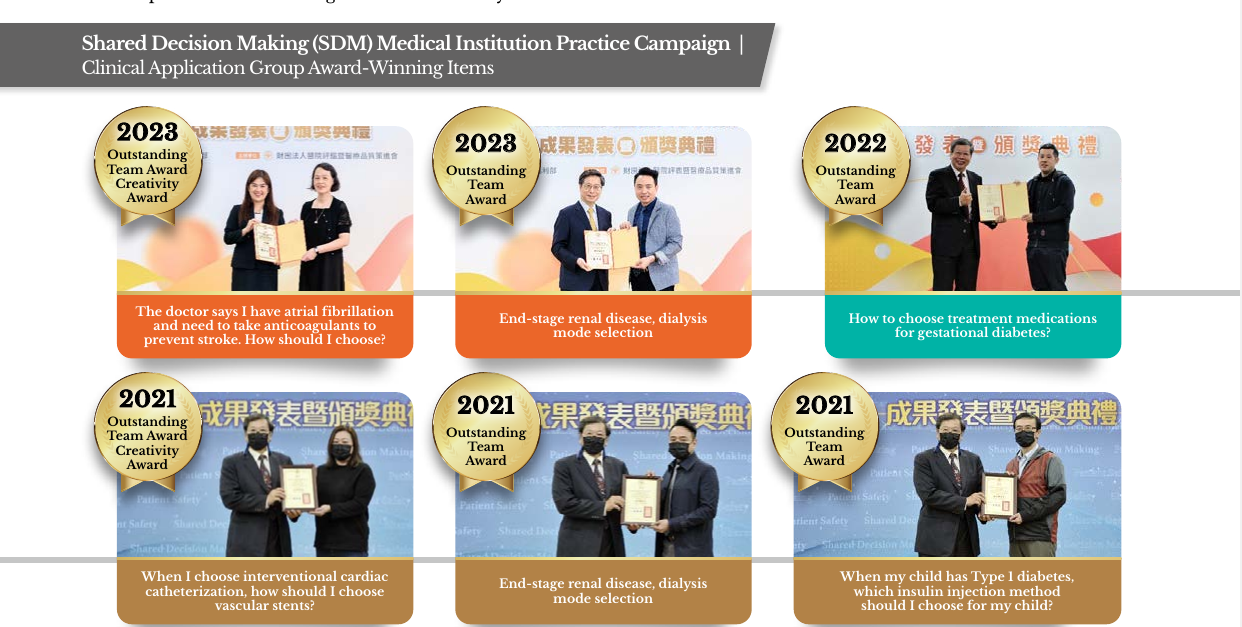
| VIIIImprove Doctor-Patient Communication and Encourage Patient and Family Participation in Patient Safety Work | - Establish mechanisms for collecting patient and family opinions and encourage participation in medical decision-making (SDM)
- Establish diverse complaint channels
| - Invite patient representatives to participate in Patient Safety Committee and propose suggestions from the patient perspective
- Promote multiple SDM themes and provide online decision-making support tools
- Cooperate in JCT Patient Safety Week themes and invite patients and families to participate
|
| IXMaintain Maternal and Child Safety | - Establish maternal and child safety working groups
- The Hospital establishes obstetric risk management mechanisms
- Establish prevention mechanisms for obstetric-related patient safety incidents
| - Hold working group meetings quarterly, discuss and improve indicator monitoring
- Regularly monitor high-risk pregnancy emergency treatment indicators
- Establish correct healthcare concepts for the public during pregnancy and childbirth
- Review maternal and child safety indicators and cases
- Continue participating in JCT birth accident reporting system
|